 Based on 508 Google Reviews
Top Questions to Ask Your Auto Body Shop After an Accident
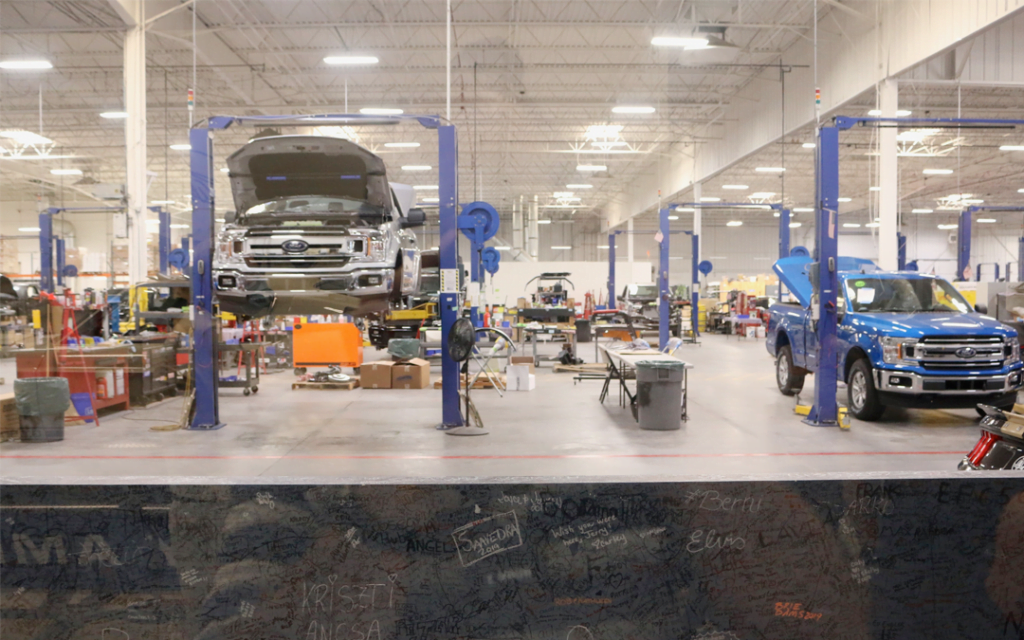
After a car accident, choosing the right auto body shop shapes the entire collision repair process. The shop you pick determines whether your vehicle gets safe, high-quality repairs that protect its structural integrity, resale value, and long-term performance. Knowing the right questions to ask helps you avoid cutting corners, understand your options, and make informed decisions that prioritize your safety.
At Authentic Auto Body, we’ve seen how much confidence the repair process gives car owners when they have clear, straightforward information. Here’s how to approach your repair shop with the questions that truly matter.
1. Are You Certified, and Do Your Technicians Receive Ongoing Training?
Certification is one of the clearest signs that an auto body repair shop is committed to quality and safety. Ask whether the technicians are trained in OEM repair procedures or hold certifications such as I-CAR. Modern vehicles rely on advanced materials, driver-assist technology, and precise structural engineering, so ongoing training is essential. A shop that keeps its team up to date on the latest repair techniques and equipment is far more likely to restore your vehicle correctly.
2. Will You Use OEM or Aftermarket Parts?
The parts used in your repair job directly affect your vehicle’s safety, performance, and long-term value. Ask whether the auto body shop plans to use OEM (Original Equipment Manufacturer) parts or aftermarket parts. OEM components are built to the same specifications as your vehicle’s original materials, which means they typically fit better and support proper crash performance. Aftermarket parts can vary significantly in terms of quality, fit, and durability.
A reputable body shop will clearly explain the differences, describe how each option affects the repair process, and indicate whether your insurance policy influences the choice.
3. Can You Provide a Written or Detailed Estimate?
A reliable auto body shop should provide you with a written estimate outlining the full scope of the repair process. This includes parts, labor, diagnostic inspections, and any potential hidden damage. A detailed estimate helps you understand what you’re paying for and makes it easier to compare prices between shops if you’re weighing your options.
If a shop hesitates to provide written documentation or gives vague numbers, that’s a red flag. Clear, transparent estimates set the foundation for quality repairs and prevent surprises later.
4. Do You Work With My Insurance Company?
Most auto body shops can work with your insurance company, even if they’re not part of the insurance company’s network. Inquire about the shop’s communication and paperwork practices, including the submission of supplements if the repair process reveals additional damage.
It’s important to remember that you’re not required to use the repair shop your insurer recommends. You have the right to choose the collision repair shop you trust, and the shop you select should focus on safe, high-quality repairs—not just what’s quickest or cheapest for the insurer.
5. What Kind of Warranty Do You Offer on Repairs?
A trustworthy auto repair shop stands behind its work, and a solid warranty is one of the best indicators of quality. Ask what type of warranty they offer on both labor and parts. Many reputable collision repair shops provide lifetime warranties on repair work for as long as you own the vehicle.
A clear warranty policy protects you from issues like poor workmanship, improper installation, or materials that fail prematurely. It shows the shop’s confidence in its repairs and willingness to help after you leave.
6. How Will You Match the Paint Color?
A proper paint match is essential for maintaining your vehicle’s appearance and resale value. Ask the repair shop how they ensure a consistent, factory-quality finish. The best shops use computerized paint-matching systems, controlled spray environments, and blending techniques to create a seamless transition between old and new paint.
Paint matching is more than choosing the right shade—it’s about using the right equipment, materials, and processes to achieve a finish that looks natural and holds up over time.
7. Do You Offer Rental Cars or Loaner Vehicles?
Repairs can take time, and having access to a rental car or loaner vehicle helps keep your routine on track. Ask whether the repair shop provides rental assistance or works with local rental car companies. Some shops offer this service directly, while others can help coordinate it through your insurance company.
It’s also worth confirming whether your car insurance includes rental coverage. Knowing this upfront prevents unexpected costs while your vehicle is in the shop.
8. How Long Will the Repairs Take?
Repair timelines can vary depending on the extent of the damage, parts availability, and how quickly your insurance company approves the estimate. While no shop can guarantee an exact completion date, a reliable auto body repair shop should provide a clear time estimate and explain the factors that could affect the schedule.
Good communication is key. You should expect updates throughout the repair process so you always know where your vehicle stands.
9. Will You Restore My Car’s Safety Systems?
Modern vehicles rely on advanced safety systems—cameras, sensors, lane-assist technology, and other driver-assistance features. After a collision, these systems often need recalibration to work correctly. Ask the repair shop whether they perform pre- and post-repair scans and whether they handle recalibration in-house or through a trusted partner.
Recalibrating these systems isn’t optional. If they’re not restored correctly, your vehicle’s safety and performance on the road can be compromised.
10. How Do You Ensure Quality Repairs?
Quality repairs rely on consistent oversight and clear documentation. Ask the auto body shop to explain the steps they take to verify that the repair job meets industry and manufacturer standards. This often includes:
- Pre- and post-repair scans
- Detailed documentation of parts, materials, and repair procedures
- Quality control checks throughout the process
- A final inspection by a senior technician
Shops that follow a structured process are far more likely to deliver safe, accurate, and long-lasting repairs.
Choosing an Auto Body Shop You Can Trust
Asking the right questions builds confidence in the repair process and helps you distinguish a trustworthy body shop from one that cuts corners. A reliable shop will explain its certifications, walk you through OEM vs. aftermarket parts, provide a detailed estimate, communicate with your insurance company, and follow a quality-focused process from start to finish. These steps protect your vehicle’s structural integrity, safety systems, and long-term value.
We follow these standards every day at Authentic Auto Body. Our auto body repair technicians receive ongoing training, we use OEM repair procedures, and we document every step of the repair process. We handle insurance communication, restore advanced safety systems, and back our work with a lifetime warranty for as long as you own your vehicle. Our focus is simple: safe, high-quality repairs done the right way.
Ready for an Estimate? We’re Here to Help
Holliston-area drivers trust Authentic Auto Body to guide them through repairs with clarity and confidence. If you have questions about your repair job or want a thorough estimate, we’re here to help. Contact us online or stop by our shop to get started.

Recent Posts
- « Previous
- 1
- …
- 4
- 5
- 6