 Based on 508 Google Reviews
DIY vs. Professional Auto Body Repair: When to Call the Experts
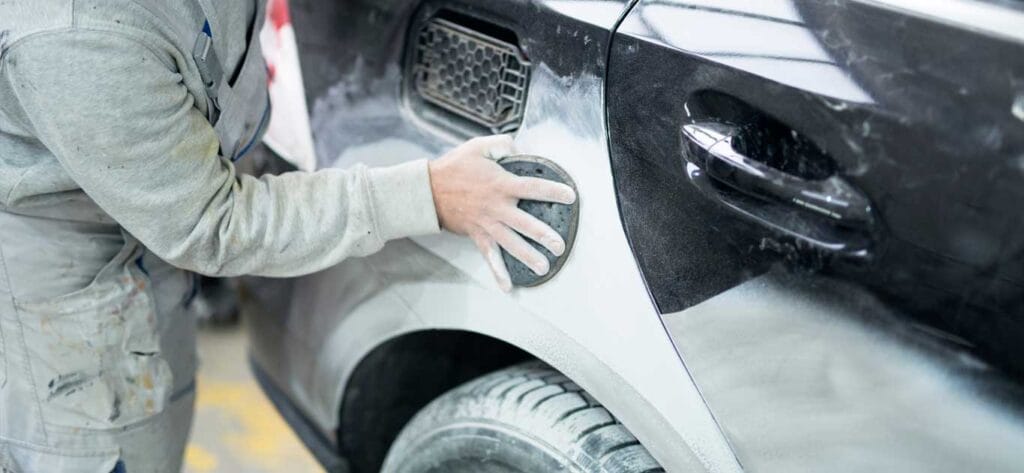
When your car has a scratch, dent, cracked bumper, or other body damage, it’s fair to wonder whether you can handle it yourself. DIY auto body repair can be a smart option for small, surface-level issues, especially if you’re comfortable using basic tools and taking your time.
But not every repair belongs in the driveway. Some damage affects paint quality, structural safety, sensors, or long-term value. In those cases, trying to save money up front can lead to a more expensive repair process later.
At Authentic Auto Body in Holliston, we see both sides. Some minor fixes are perfectly reasonable for careful car owners. Others need professional auto body repair from trained, skilled technicians with the right equipment, materials, and repair procedures. Here’s how to tell the difference.
Key Takeaways
- DIY auto body repair works best for light surface scratches, small paint chips, and very shallow dents with no paint damage
- Paint repair is harder than it looks—color matching, blending, and clear coat application require specialized equipment and experience
- Collision damage, structural issues, and sensor problems should always go to professional repair shops
- Poorly executed DIY repairs can reduce resale value and void warranty protection
- Massachusetts drivers have the right to choose their own auto body shop when filing an insurance claim
When Does DIY Auto Body Repair Make Sense?
DIY auto body repair is best suited for small, cosmetic issues that don’t affect your vehicle’s structure, safety systems, or paint layers beneath the surface. With the right tools, prep work, and patience, a careful car owner can address:
- Light minor scratches and surface scuffs
- Small paint chips using touch-up paint
- Simple polishing or swirl mark removal
- Very shallow dents with no paint damage
Results still depend heavily on technique. A scratch removal kit or touch-up paint pen can help, but color match, temperature, and prep work all affect the outcome. Rushing the job often makes the area more noticeable than before.
A good rule of thumb: if the damage is small, shallow, and purely cosmetic, DIY may be worth considering—as long as you go in with realistic expectations about the learning curve involved.
What DIY Repairs Usually Cannot Fix Well
DIY car repairs become risky when the damage is more serious, larger, or connected to a collision. Without specialized tools, body filler experience, or access to a proper paint booth, results can fall well short of the desired results. Call a professional if you notice:
- Deep scratches through the clear coat and color coat
- Large dents, creased metal, or bumper cracks
- Doors, trunk, or hood not closing correctly
- Warning lights or rust forming after an accident
- Damage near cameras, sensors, or lights
Modern vehicles are more complex than they appear. A bumper may hide sensors, brackets, wiring, or structural components beneath the surface. A panel that looks “close enough” after a DIY fix may still affect alignment, weather sealing, or safety performance—and not everyone has the knowledge or experience to catch those issues.
Why Paint Repair Is Harder Than It Looks
Auto body work involving paint is one of the biggest reasons DIY repairs go sideways. Matching paint isn’t just about finding the color code. Age, sun exposure, prior repairs, and clear coat condition all affect how the finished repair looks—and whether it holds up over time.
Professional services for a paint job typically involve sanding, primer, computerized color matching, paint booth application, blending into adjacent panels, clear coat protection, and polishing to a smooth finish. Skilled technicians use air tools, an air compressor, and advanced tools that simply aren’t practical for a home garage setup.
A small scratch may be manageable. A larger repair, bumper repaint, or panel blend usually needs professional help to avoid mismatched color, rough texture, overspray, or peeling—particularly on visible panels. If you’re unsure whether your vehicle needs a full paint job, our team can help you assess the damage honestly.
Here in New England, paint quality matters even more. Road salt, moisture, and winter grime attack poorly repaired areas fast, turning a minor paint problem into corrosion.
When Safety Is Involved, Seek Professional Help
If your vehicle was in an accident, seeking professional repair is the safer choice. Collision damage can affect parts of the vehicle you can’t easily see or access, including structural integrity, frame alignment, suspension, sensors, and airbag systems, all of which are covered as part of a full auto body collision repair. Repairs that don’t follow proper procedures, including welding, panel replacement, and scan tool diagnostics, can compromise the car’s protection in a future accident. The collision repair process involves far more than cosmetic fixes.
DIY vs. Professional Repair: A Quick Reference
Not sure which way to go? This breakdown covers the most common scenarios:
| Situation | DIY-Friendly? | Call a Professional? |
| Light surface scratch, paint intact | Yes, with touch up paint and patience | Only if the result needs to match exactly |
| Small paint chip on low-visibility area | Yes | If on a visible panel or near body lines |
| Very shallow dent, no paint damage | Possibly, with the right tools | If the dent is creased or near a body line |
| Deep scratch through clear coat | No—risk of mismatched paint job | Yes—blending requires a paint booth |
| Bumper crack or panel gap | No—structural concern | Yes—body filler and alignment needed |
| Rust forming around damage | No—spreads fast without proper treatment | Yes—sanding, primer, and sealing required |
| Post-collision damage, any severity | No—underlying damage likely | Yes—scan tools and full inspection needed |
| Warning lights after an accident | No—sensor or safety system involved | Yes—always |
| Insurance claim involved | No—documentation and accuracy matter | Yes—shop handles insurer directly |
Does DIY Auto Body Repair Save Money?
Sometimes, yes—but the math changes quickly. Buying tools, time investment, and the risk of a failed repair eat into savings fast. If the work needs to be professionally redone, you’ve paid twice. DIY repairs make sense for minor, low-visibility damage when you already have the necessary tools and can accept an imperfect result. Professional repair is worth it when paint matching matters, resale value is on the line, an insurance claim is involved, or you want warranty protection on the body work.
What About Insurance Claims?
If the damage involves an insurance claim, working with a professional auto body shop almost always makes more sense. The shop can document the damage, prepare a collision repair estimate, communicate directly with the insurer, and uncover underlying issues during teardown that photos and estimates often miss.
Massachusetts drivers also have the right to choose their own repair facility—you are not required to use an insurer-recommended shop. The priority should be a safe, complete repair, not the fastest shortcut.
The Authentic Auto Body Difference
At Authentic Auto Body, we give you honest guidance, not pressure. If a small touch-up is all you need, we’ll let you know. If the damage needs professional auto body repair, we’ll explain why in plain language—no jargon, no surprises. Our team of skilled technicians is committed to quality repairs and clear communication from the first inspection to final delivery, because that’s what a certified auto body shop should do. Drivers across Holliston, Ashland, Hopkinton, Medway, and the broader MetroWest area trust us to keep their vehicles in tip-top shape.
Schedule an Inspection or Estimate Today
Not sure whether your damage is DIY-friendly or needs a professional eye? Contact Authentic Auto Body in Holliston to schedule an inspection or estimate—we’ll help you make the right call.
FAQs About DIY Auto Body Repair
Is DIY auto body repair safe?
DIY auto body repair can be safe for minor scratches, small chips, and very shallow dents where paint is intact. It is not recommended for collision damage, structural issues, sensor problems, or any body repair that affects safety systems.
Can I fix a dent myself?
You may be able to address a very small, shallow dent if the paint is undamaged. Creased dents, large dents, or dents near body lines typically require professional repair shops and specialized tools to restore the panel properly.
Is DIY car paint repair worth it?
Touch-up paint can help with small chips, but larger paint repairs are difficult to blend without a paint booth and professional-grade equipment. For visible panels, bumpers, and anything affecting resale value, professional services deliver more reliable, lasting results.
When should I call a professional auto body shop?
Call a professional if the damage involves deep scratches, cracked paint, bumper damage, panel gaps, rust, warning lights, or anything caused by a collision. When in doubt, an estimate from a certified auto body shop costs nothing and gives you a clear picture of what the repair process involves.
Will DIY repair affect my car’s resale value?
It can. Poor paint matching, uneven panels, visible sanding marks, or unaddressed hidden damage may lower resale or trade-in value. Professional auto body repair that follows manufacturer standards helps protect your vehicle’s value over time.
