 Based on 508 Google Reviews
Common Causes of Car Accidents in Winter (And How to Avoid Them)
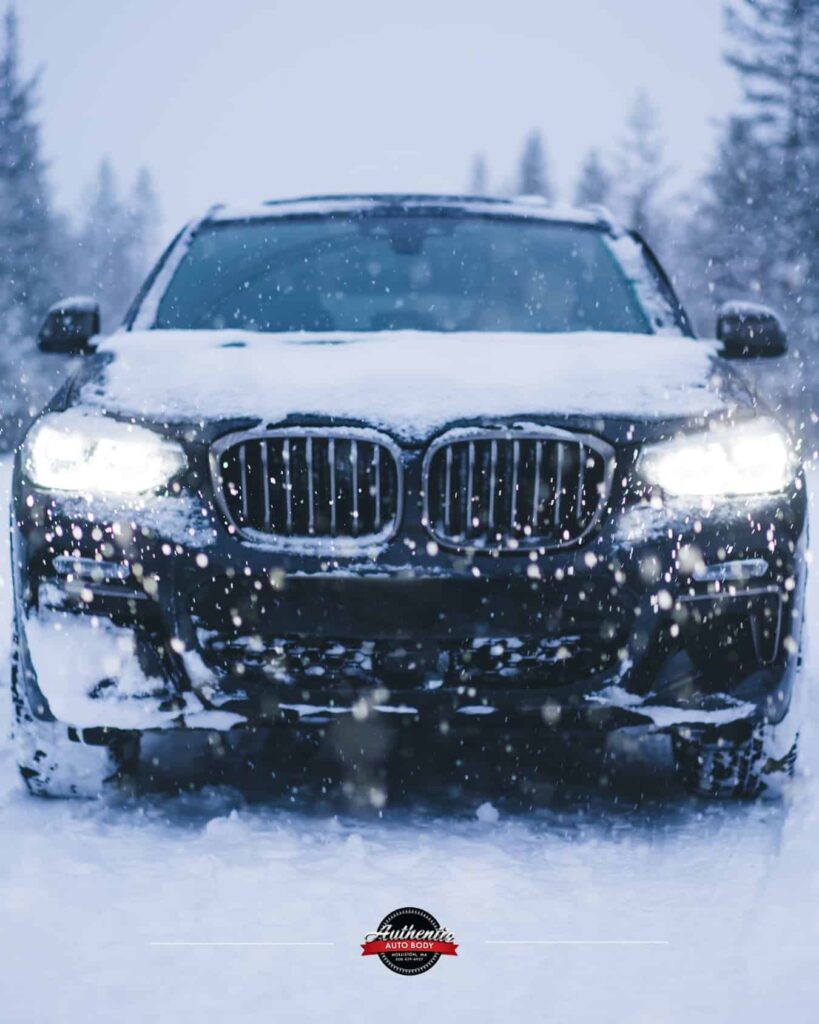
If you’ve driven through a Massachusetts snowstorm or navigated a back road in Holliston after a freeze, you know how quickly winter weather can turn dangerous. Slick roads, reduced visibility, and driver behavior are among the common causes of car accidents in winter.
Across New England, car accidents increase during the winter months because snow and ice create hazards that demand more attention and preparation. At Authentic Auto Body, we see firsthand how winter driving conditions lead to serious accidents—and how proper preparation can make all the difference.
Here’s what leads to winter car accidents, how to reduce your risk, and what to do if an accident occurs.
Why Winter Car Accidents Increase in Massachusetts
Winter weather plays a major role in crash statistics across the region. Snow, ice, freezing rain, and early sunsets combine with heavy traffic and commuter congestion. Add in driver negligence or poor vehicle maintenance, and the risk climbs quickly.
The most common causes include:
- Slippery roads caused by snow and ice
- Black ice and hidden icy patch areas
- Reduced visibility from snowfall and dirty windshields
- Distracted driving and careless driving
- Faulty brakes or bald tires
- Unprepared vehicles with low fluid levels or worn windshield wipers
Even experienced drivers can lose control when road conditions shift unexpectedly.
1. Snow, Ice, and Black Ice
Icy conditions are one of the most dangerous winter hazards. Black ice forms when moisture freezes into a nearly invisible layer across the pavement. Drivers often don’t see it until traction is already gone.
Common winter accidents linked to slick roads include:
- Rear-end collisions at traffic lights
- Spin-outs while turning
- Single-vehicle crashes on curves
- Multi-car crashes involving other vehicles
Bridges and overpasses freeze first because cold air circulates above and below the surface. Always slow down before intersections and maintain a safe distance from the car ahead. On snowy roads, it can take twice as long to stop.
2. Distracted or Negligent Driving
Winter driving requires full attention. Unfortunately, distracted driving persists even in poor weather. Glancing at a phone or adjusting navigation while navigating in snow can lead to a winter crash in seconds.
Driver negligence in winter often includes:
- Texting or looking at a device
- Speeding on slippery roads
- Tailgating other cars
- Failing to clear snow from the roof or windows
Driving defensively means anticipating what other drivers might do. Leave extra space between your vehicle and other cars. This buffer reduces the risk of rear-end collisions when traffic slows suddenly.
3. Vehicle Maintenance Problems
Your car’s condition becomes even more important during the winter months. Bald tires reduce traction, and faulty brakes increase stopping distance. Low fluid levels or worn windshield wipers can compromise visibility when snow starts falling.
Before heavy winter weather sets in, check the following:
- Tires for proper tread depth
- Brakes for responsiveness
- Windshield wipers for streaking
- Washer fluid rated for freezing temperatures
- Battery strength and heater performance
Keep an emergency kit in your trunk that includes an ice scraper, a blanket, a flashlight, jumper cables, and ice removal or traction materials. Preparation can prevent a small issue from turning into serious property damage.
4. Reduced Visibility and Glare
Visibility issues are among the most common triggers of winter accidents. Falling snow, fog, and salt spray from passing vehicles all reduce visibility.
Additional hazards include:
- Headlight glare reflecting off wet pavement
- Fogged interior glass
- Snow buildup on mirrors and windows
- Pedestrians crossing in low light
Clear every window before driving, not just the windshield. Use low beams during heavy snow and clean your lights regularly. Having a clear vision and being visible to other drivers is crucial for preventing crashes.
5. Intersections, Curves, and Hydroplaning
Certain areas pose a higher risk during winter weather. Intersections, shaded curves, and parking lots often contain hidden ice. Hydroplaning occurs when tires lose contact with the road due to water buildup before freezing temperatures set in.
These road conditions demand slower speeds and gentle braking. Sudden movements increase the chance of losing control. Smooth steering and gradual acceleration help maintain traction.
What to Do If a Winter Accident Occurs
Even careful drivers can be involved in winter accidents. If you’re in a crash, stay calm and focus on safety first.
Follow these steps:
- Move your vehicle out of traffic if possible
- Call 911 and request assistance
- Document the scene, road conditions, and damage
- Exchange information with other drivers
- Seek medical attention if you are injured
- Report the accident to your insurance company
Winter crashes can cause injuries that aren’t immediately apparent. Whiplash and soft tissue damage may appear hours later. Don’t ignore symptoms.
Understanding Fault In a Winter Crash
Weather plays a role in winter car accidents, but fault often comes down to driver behavior. Speeding, distracted driving, and failure to adjust to weather conditions can result in legal liability.
Helpful documentation may include:
- Police reports
- Photos of road conditions
- Witness statements
- Vehicle maintenance records
If you are injured in a winter crash, speaking with a personal injury attorney can help protect your legal rights and clarify your options for compensation. Many attorneys offer a free consultation to review your case and determine whether legal action is appropriate.
How to Reduce Your Risk This Winter
The most important things you can do to drive safely during winter include:
- Slow down on slick roads
- Leave a safe distance between you and the car ahead
- Maintain your vehicle rides in proper working order
- Avoid distracted driving
- Prepare for changing weather conditions
Winter weather cannot be controlled, but your response to it can. Driving defensively and staying aware of hazards reduces the likelihood of serious accidents.
Protect Yourself and Your Vehicle
Common causes of winter car accidents often involve a combination of snow, ice, reduced visibility, and driver negligence. While you can’t eliminate every risk, preparation and caution dramatically lower the chance of a crash.
If an accident does happen, you deserve repairs done correctly and safely. At Authentic Auto Body, we help local drivers throughout Holliston and surrounding Massachusetts communities after winter accidents. Our team, from collision repair to liaising directly with your insurance company, is committed to restoring your vehicle accurately and cost-effectively.
Drive safely this winter. And if you need trusted support after a winter crash, we’re here to help. Contact us today.

Recent Posts
- « Previous
- 1
- …
- 4
- 5
- 6