 Based on 508 Google Reviews
Essential Winter Driving Safety Tips in Massachusetts
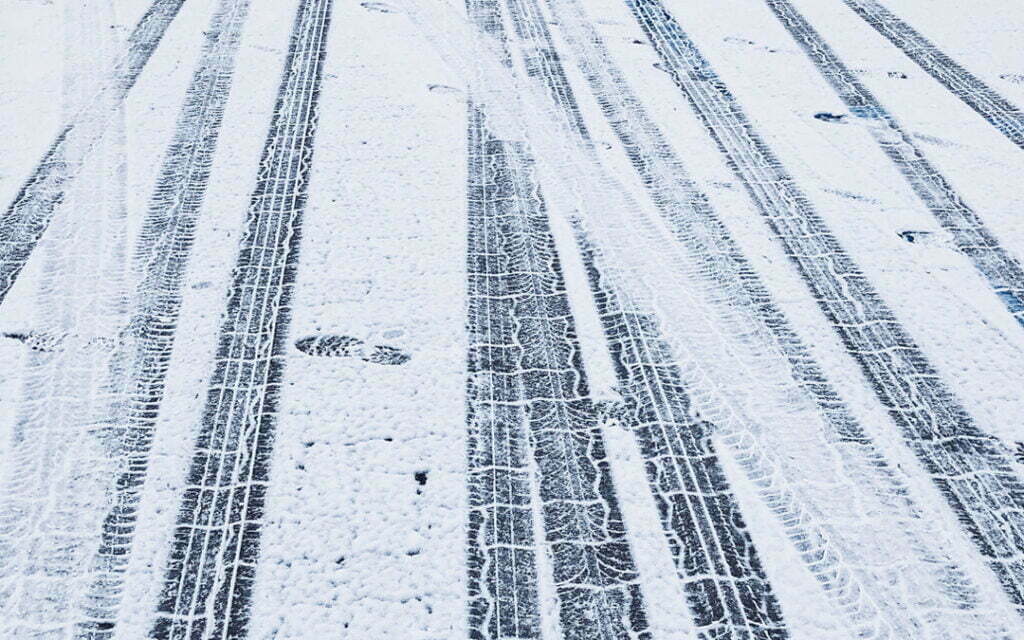
Winter in Massachusetts brings more than cold temperatures. Snow, ice, freezing rain, and rapidly changing weather create dangerous road conditions that increase the risk of accidents. Whether you’re commuting, running errands, or heading out during one of the season’s many winter storms, being prepared makes a real difference.
These winter driving safety tips focus on awareness, preparation, and smart decisions—so drivers can stay in control, reduce the risk of collisions, and stay safe throughout the winter season.
1. Prepare Your Vehicle Before the First Storm
Preparation is one of the most effective safe winter driving tips. Before the first major storm, take time to get your vehicle ready for wintry conditions.
- Check tire pressure regularly. Cold temperatures lower air pressure, reducing traction and handling.
- Install snow tires. Snow tires improve grip, braking, and overall control in icy and snowy conditions.
- Top off fluids. Use winter-rated windshield washer fluid, check antifreeze levels, and confirm oil viscosity is appropriate for cold weather.
- Inspect lights and brakes. Working headlights, brake lights, and responsive brakes are critical when visibility drops.
Keep your gas tank at least half full and your cell phone charged before driving. A winter emergency kit should always be in your car, especially if you travel frequently or park outdoors.
Recommended items include:
- Ice scraper and snow brush
- Kitty litter or sand
- Jumper cables
- Blankets and extra gloves
- Phone charger and backup battery
- Flashlight and first-aid kit
- Reflective triangles, snacks, and bottled water
2. Clear Snow and Ice Completely
State law requires drivers to clear snow and ice from their entire vehicle—not just the windows. Snow left on the roof, hood, lights, or mirrors can slide forward or blow backward, creating a serious crash hazard for you and the traffic behind you.
Before driving:
- Clear all windows, headlights, and brake lights
- Remove buildup from the roof and trunk
- Check that license plates are visible
Also, make sure the exhaust pipe is clear. Snow blocking the pipe—especially while idling—can cause carbon monoxide buildup, which is extremely dangerous.
3. Drive for Conditions, Not the Normal Speed
Posted speed limits assume dry pavement and normal visibility. In winter driving, slowing down is essential.
- Avoid cruise control on icy or wet roads—it reduces your ability to react if you lose traction.
- Increase your following distance. Stopping takes much longer on ice.
- Use lower gears on hills to maintain control.
- Signal early using your turn signals.
- Avoid sharp turns and sudden braking.
If your car begins to skid, take your foot off the gas and gently steer the steering wheel in the direction you want the vehicle to go.
4. Watch for Black Ice
Black ice is one of the most deceptive winter hazards. It’s nearly invisible and often forms on bridges, overpasses, shaded roads, and in parking lot entrances.
If the road looks wet but the temperature hovers near freezing, assume it’s icy. Even after the sun comes out, melted snow can refreeze once temperatures drop again—especially overnight or early in the morning.
5. Stay Informed About Weather and Road Conditions
Before you drive, check local weather forecasts and road conditions. Trusted sources like the Massachusetts Emergency Management Agency (MEMA) provide updates on winter storms, closures, and emergency alerts.
Navigation apps can also help identify slowdowns, snow plows, and hazardous areas, allowing you to adjust your route or delay travel if needed.
6. Avoid Driving During the Worst Conditions
One of the simplest winter driving safety tips is knowing when not to drive. If severe weather is expected, postpone unnecessary trips—especially at night or during peak commuting hours.
If travel is unavoidable:
- Share your route and estimated arrival time
- Stick to main roads that see frequent plowing
- Avoid back roads and unplowed areas
Staying off the roads during the worst conditions reduces your risk of an accident or getting stuck.
7. Buckle Up and Stay Focused
Wearing a seat belt is essential in all conditions, but especially during winter driving, when stopping distances increase and visibility drops.
To stay alert:
- Keep your cell phone out of reach unless using hands-free
- Set navigation and playlists before leaving
- Watch for pedestrians, school buses, and trucks stopping ahead
Distraction-free driving helps protect you, your passengers, and your community.
8. What to Do If You Get Stuck
Even well-prepared drivers can end up stuck during severe snow or after a storm. If this occurs:
- Stay with your vehicle unless help is clearly visible nearby
- Turn on hazard lights
- Run the engine for 10 minutes per hour to stay warm (if you can start it)
- Crack a window slightly for ventilation
- Clear snow from the hood and around the exhaust pipe
- Use blankets and extra clothing to retain heat
Use reflective triangles or bright fabric to signal for help if needed.
Drive Smart and Stay Safe This Winter
Winter driving in Massachusetts comes with challenges, but the right preparation and mindset can significantly reduce your risk. Focus on:
- Maintaining your vehicle
- Adjusting your driving habits for snowy conditions
- Staying informed and alert
At Authentic Auto Body, we see how quickly a minor accident in winter weather can escalate. If a collision has occurred, our team is here to support you with expert repairs and clear guidance—always prioritizing safety and quality.
If you need help after a winter crash, reach out. We’ll walk you through the repair process, work with your insurance company, and get your vehicle safely back on the road—restored to pre-accident condition.
