 Based on 508 Google Reviews
OEM Parts vs. Aftermarket: A Practical Guide for Car Owners
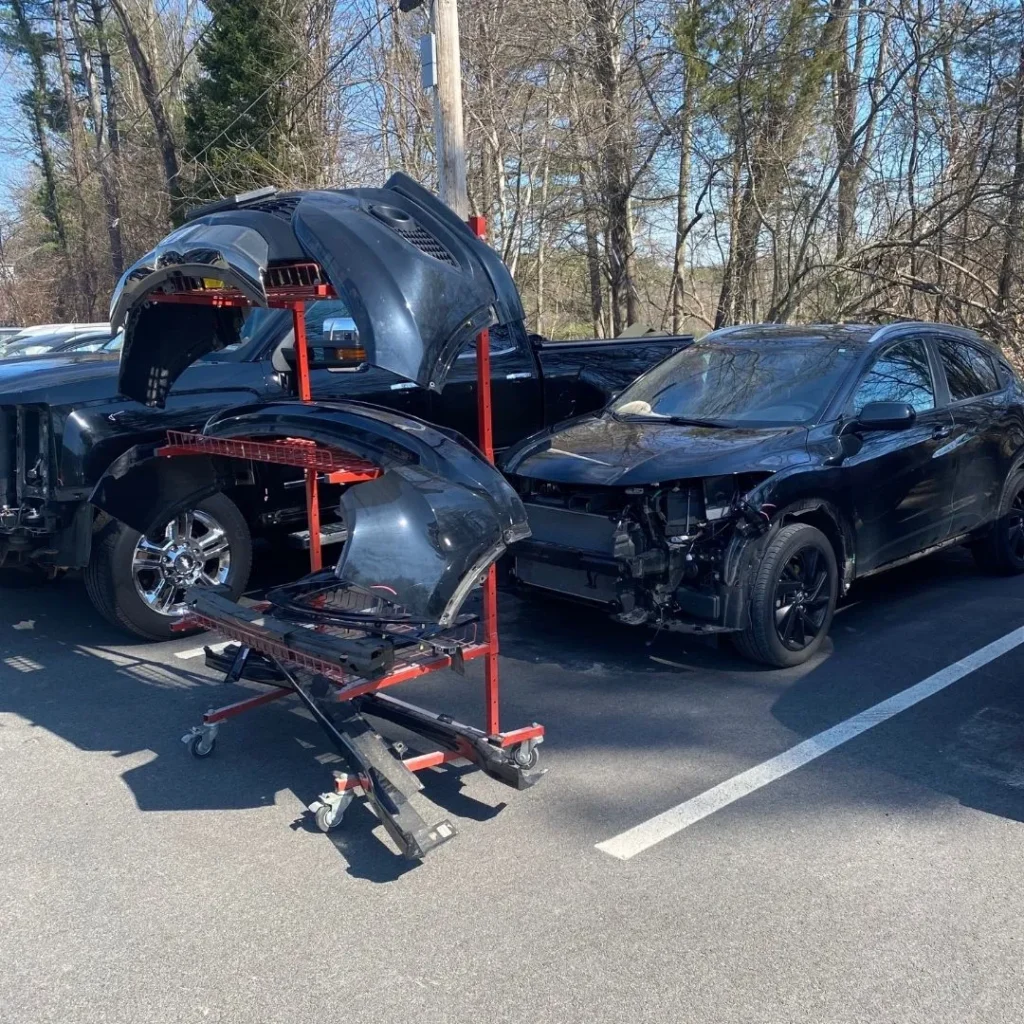
When your car needs repairs, one of the first decisions you’ll face is whether to use OEM parts or aftermarket parts—and the answer isn’t always straightforward. This guide is written for car owners, insurance claimants, and anyone working through the repair process who wants to understand the difference before approving an estimate.
Key Takeaways
- OEM parts are manufactured to exact factory specifications and are the safest choice for structural, safety-critical, or warranty-sensitive repairs.
- Aftermarket parts can be a cost-effective option for non-structural components, but quality can vary greatly depending on the brand and supplier.
- Using non-OEM parts on certain repairs can affect manufacturer warranty coverage and resale value.
- Always request part numbers, certifications, and warranty terms in writing before repairs begin.
- At Authentic Auto Body, we prioritize safety-first parts selection—we won’t substitute cheaper aftermarket car parts simply to satisfy insurer cost targets.
Aftermarket Parts vs. OEM Parts: Understanding the Difference
OEM parts—short for original equipment manufacturer—are made by or to the exact specifications of your vehicle’s car manufacturer. They are the same components installed when your car was built.
Aftermarket parts are produced by third-party companies, not the original manufacturer. They’re designed to fit and function similarly to the factory part, but they’re sold independently and can range from high-quality engineered components to low-cost generic alternatives.
The core tradeoff comes down to price, fit, and reliability. Aftermarket car parts are generally available at a fraction of OEM cost, which is why insurers and some repair shops default to them. But that lower cost can come with meaningful differences in fit, finish, and durability—especially for structural components. When it matters most, such as in a safety system or a load-bearing part, choosing the cheapest part available is rarely the right call.
OEM Parts: What to Expect
An OEM part is a component manufactured to the exact tolerances and materials specified by your vehicle’s original maker. When you buy from a dealership or an authorized supplier, you’re getting the same part that came with your car.
OEM parts typically come with a manufacturer-backed warranty, arrive in branded packaging with a matching part number, and are designed to integrate seamlessly with your vehicle’s existing systems. You should insist on OEM parts when:
- Repairing structural components like frames, crumple zones, or safety rails
- Replacing airbag systems, sensors, or driver-assist technology
- Your vehicle is under an active manufacturer’s warranty
- You’re on a dealership lease and need to protect residual value
- Resale value is a priority, and you want documented factory-spec repairs
Aftermarket Parts: What to Expect
An aftermarket part is any replacement component not sourced from the original vehicle manufacturer. The category is broad—it ranges from well-engineered parts from established aftermarket brands like Moog, Monroe, and other reputable suppliers to generic components with no brand accountability.
The distinction between branded aftermarket and generic matters significantly. A good example of this is suspension components: a Monroe strut or a Moog tie rod end is engineered to meet or exceed OEM performance standards and comes with documented warranty coverage. A no-name equivalent sourced from an unknown supplier may look identical on the shelf but offer no guarantee of consistent quality.
Aftermarket replacement parts make practical sense when:
- Replacing non-structural, non-safety items such as trim, body panels, or exterior plastic components
- Budget constraints are real, and the repair involves a cosmetic or low-risk component
- The vehicle is older, high-mileage, and OEM sourcing involves long waiting periods or discontinued inventory
- A vetted brand with a documented warranty is used
Direct Comparison: Price, Quality, Availability, and Warranty
| Factor | OEM Parts | Aftermarket Parts |
| Price | Higher cost; reflects factory engineering | Lower cost; often a fraction of OEM price |
| Quality | Consistent quality; built to factory spec | Can vary greatly; depends on brand |
| Fit | Exact match guaranteed | Generally good with reputable brands; inconsistent with generics |
| Availability | Limited to dealerships and authorized suppliers | Widely available at AutoZone and other retailers |
| Warranty | Manufacturer-backed warranty | Varies by brand; generics may offer none |
| Resale Value | Supports manufacturer documentation | May reduce value if used on structural repairs |
| Best For | Safety, structural, and warranty-sensitive repairs | Non-structural, cosmetic, and budget-driven repairs |
How to Verify Part Quality Before Installation
Whether a part is OEM or aftermarket, verification before installation protects everyone involved. Here’s what to check:
Physical inspection: Confirm the part number matches your vehicle’s make, model, and year. Examine fit, finish, and material quality. Compare packaging—OEM parts arrive in manufacturer-branded boxes with matching documentation. Generic aftermarket stuff often arrives with minimal labeling.
Documentation to request: Always ask for the OEM part number or a certified aftermarket equivalent, proof of brand certification, where applicable, and the warranty and return policy terms in writing. For aftermarket replacement parts, ask which brand is being used and research that brand before approving installation.
Test fit and function: Before final installation, a reputable shop will confirm fitment and perform a function check. A hose, spark plugs, or electronic component that doesn’t seat correctly or pass a function check should be returned and replaced immediately—not installed and flagged later.
When to Use OEM Parts
Choose OEM in these circumstances:
- Structural and safety repairs: Frame components, crumple zones, airbag systems, and ADAS sensors should always be restored to factory spec. There is no acceptable substitute of lower quality for components that determine how a vehicle performs in a crash.
- Lease or warranty-sensitive vehicles: Many manufacturer warranties require OEM parts to remain valid. Using aftermarket components on a car still under warranty can void coverage. Leased vehicles often have turn-in condition standards that aftermarket repairs may not meet.
- Resale priority: Buyers and appraisers notice. A repair history showing OEM parts and manufacturer-documented procedures supports higher resale value.
When to Use Aftermarket Replacement Parts
Aftermarket replacement parts are a reasonable choice in the right circumstances:
- Non-structural body panels, trim, and cosmetic parts: Exterior panels, mirror housings, and molding on older vehicles where factory spec isn’t critical to safety.
- Budget-driven repairs on older vehicles: When a car’s value doesn’t justify the higher cost of OEM sourcing, vetted aftermarket brands offer performance at a lower price point.
- Performance upgrades: In some cases, aftermarket components actually outperform factory equivalents for specific applications, making them a genuine upgrade rather than a compromise.
The key word in all of these is vetted. Different brands produce wildly different results. Stick to established names, confirm certifications, and never approve the cheapest part available without researching the manufacturer.
How Authentic Auto Body Chooses Parts
At Authentic Auto Body, parts selection starts with safety—not cost. Our preference is always for OEM or OEM-equivalent components on any repair involving structural integrity, safety systems, or active manufacturer warranties. We don’t substitute cheap aftermarket car parts to satisfy insurer cost targets when doing so puts quality or safety at risk.
When aftermarket replacement parts are appropriate—for cosmetic items, older vehicles, or clearly non-structural components—we use established aftermarket brands with documented warranties and known track records. We document every parts decision in the estimate and share that information with customers and insurers before work begins.
If an insurer pushes back on parts selection, we escalate the conversation and make sure our customers understand their rights. In Massachusetts, you have the right to choose your repair shop—and that includes having input on the parts used to fix your vehicle.
Practical Steps for Repair Shops and Consumers
Whether you’re an owner approving an estimate or working through a collision claim, these steps protect your interests:
- Review the estimate line by line and confirm whether each part is OEM or aftermarket
- Ask the shop which brand is supplying any aftermarket components
- Request written warranty terms for all parts before signing off
- Ensure your written consent is documented if aftermarket parts are being used
- Ask for photo documentation of parts before installation for your records
- Keep copies of all estimates, part numbers, and certifications for insurance correspondence
For more on navigating the estimate process, see our guide to collision repair estimates.
Schedule Your Repair With Authentic Auto Body
The choice between OEM parts vs. aftermarket parts isn’t always black-and-white—but it should always be informed. Safety-critical components deserve factory-spec parts. Cosmetic repairs on older vehicles may reasonably use vetted aftermarket brands. What matters most is that the decision is documented, explained, and made with your knowledge and consent.
At Authentic Auto Body, we help drivers throughout Holliston, Ashland, Hopkinton, Medway, Franklin, Natick, Dover, and surrounding Massachusetts communities get repairs done right, with parts choices that reflect your vehicle’s actual needs—not the cheapest path to closing a claim.
If you have questions about parts selection for an upcoming repair, call us at (508) 429-6927 or contact us to schedule an inspection at our Holliston shop. We’re always happy to walk you through the estimate and explain every line item before work begins.
Frequently Asked Questions
Are aftermarket parts safe to use?
In many cases, yes—provided they come from a reputable brand with documented quality standards and certification. Established aftermarket brands like Moog and Monroe engineer their components to meet or exceed OEM performance. Generic or unbranded aftermarket car parts with no warranty or certification are a different matter, particularly for suspension, braking, or structural applications. The key is knowing who manufactured the part and what accountability comes with it.
Will aftermarket parts void my warranty?
It depends on the repair and your manufacturer’s terms. In most cases, using aftermarket replacement parts on a vehicle still under an active manufacturer’s warranty can void coverage for systems affected by those parts. If your car is under warranty, always confirm with your manufacturer or dealership before approving non-OEM components. For out-of-warranty vehicles, this is generally less of a concern.
How can I confirm a part is genuine OEM?
Ask for the OEM part number and verify it against your vehicle’s make, model, and year. Genuine OEM parts arrive in manufacturer-branded packaging with matching documentation. If a part arrives in a plain box with no brand markings or part number, it may not be what was quoted. You can also cross-reference part numbers through your dealership or the original equipment manufacturer’s parts catalog.
What if my insurer demands aftermarket replacement parts?
Document everything. If an insurer requires aftermarket parts for a safety or structural repair, request them in writing and escalate to the shop owner or manager. In Massachusetts, you are not required to accept parts choices that compromise your vehicle’s safety or warranty coverage. A reputable auto body shop will support you through this process and help ensure repairs meet manufacturer standards—not just minimum insurer requirements. For more on working through the claims process, see our guide to navigating insurance claims.

Recent Posts
- « Previous
- 1
- …
- 4
- 5
- 6