 Based on 508 Google Reviews
Hidden Auto Collision Damage: How to Spot It After a Car Accident
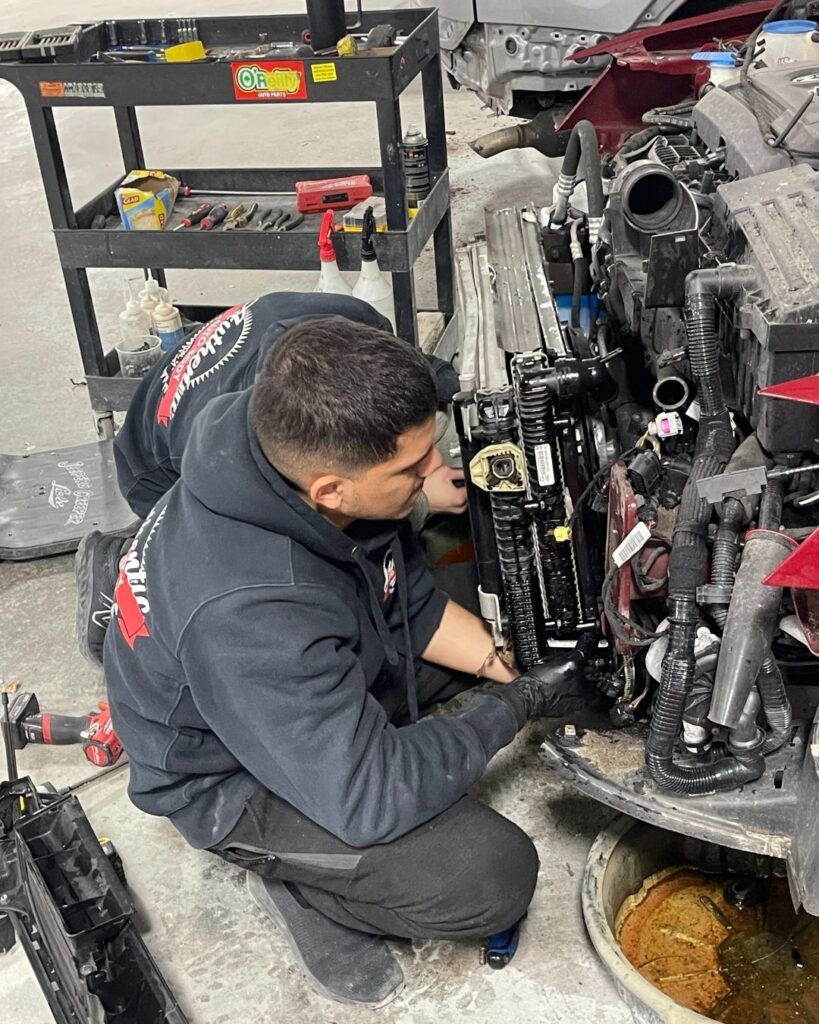
Hidden auto collision damage is one of the most serious risks drivers face after a car accident—and one of the easiest to miss. What looks like a clean bumper or a minor surface scratch can conceal frame shifts, electrical faults, and suspension failures that only a trained eye will catch.
This blog is for drivers who have recently been in a collision and want to understand what damage may not be immediately visible, what warning signs to monitor, and what a professional inspection actually involves. If you’re wondering whether your car is truly safe to drive after an accident, a professional inspection at a qualified auto body shop is the only reliable way to find out.
Key Takeaways
- Hidden damage can affect structural integrity, safety systems, and resale value—even when visible damage looks minimal.
- Common types include frame damage, electrical system faults, suspension damage, and transmission components that fail gradually after impact.
- Strange noises, a check engine light, uneven tire wear, and doors that won’t close properly are all warning signs that deserve immediate attention.
- A thorough collision repair process includes teardown, computerized wheel alignment, sensor scans, and a post-repair test drive.
- Transparent, itemized estimates and the use of OEM parts protect both safety and the long-term value of your vehicle.
Understanding Hidden Auto Body Damage After a Car Accident
Hidden auto body damage refers to structural, mechanical, or electronic harm that does not appear on the surface after a collision. While a dented bumper or cracked panel is easy to spot, the damage that causes the most long-term problems is often immediately apparent only to a trained technician.
This matters for two reasons. First, undetected damage creates genuine safety risks—a shifted frame or a compromised suspension system can affect how your car handles under normal driving conditions. Second, hidden damage that goes unrepaired reduces resale value and can complicate insurance claims if discovered later.
Collision repair restores structural integrity by addressing both visible and concealed issues. The repair process typically begins with a visual inspection and escalates to a full teardown, during which panels are removed, and internal components are assessed. That teardown step is often where the most significant findings occur—and why an initial estimate can change after work begins.
Common Types of Hidden Damage
Frame and Structural Damage
Frame damage is among the most serious consequences of a car accident. Even a moderate-speed impact can shift structural rails, crumple mounting points, or compromise the vehicle’s crumple zones. Modern vehicles are engineered to absorb energy in specific ways, and any deviation from factory specifications can alter how the car performs in a future crash.
Alignment Issues and Wheel Misalignment
Alignment issues are common after both minor and major collisions. Wheel misalignment places uneven stress on tires, causes tires to wear unevenly, and creates handling problems that worsen over time. Bad alignment may not seem dramatic at first, but it can create major issues with stability and fuel efficiency if left unaddressed.
Electrical System Vulnerabilities
Electrical issues are frequently overlooked after a collision. Modern vehicles rely on a dense network of sensors, modules, and wiring harnesses. An impact that appears minor can sever connections, damage control modules, or trigger fault codes that affect everything from airbag deployment to All Wheel Drive systems. Electrical system damage is one area where the untrained eye has virtually no chance of spotting a problem without diagnostic tools.
Suspension Hidden Failures
Suspension damage may not be obvious until the vehicle is driven on uneven surfaces. Bent control arms, damaged struts, or shifted subframe mounts can cause pulling, vibration, and unpredictable handling. Suspension system failures discovered after the fact are often more expensive to repair than they would have been if caught immediately.
Steering Component Damage
Steering issues can develop after an impact affects tie rods, rack-and-pinion components, or power steering lines. A steering wheel that feels slightly off-center, or a car that drifts without input, may indicate steering component damage that isn’t visible from the outside.
Transmission Failures and Cooler Hose Problems
Transmission components can sustain damage in rear-end collisions or in impacts that transmit rearward force through the drivetrain. Transmission fluid leaks, slipping gears, and erratic shifting are signs that transmission parts have been affected. Gear steering and drivetrain connections in All Wheel Drive vehicles are especially vulnerable. Damage to transmission cooler hoses is a specific concern in rear-end collisions, as ruptured hoses can cause fluid loss that may not show symptoms for days.
Signs to Watch: Strange Noises, Check Engine Light, Doors That Won’t Close Properly
After any accident, your car may show warning signs even before a formal inspection. Pay attention to:
- Strange noises such as clunking over bumps (suspension), grinding when turning (steering), or rattling from underneath (exhaust or frame)
- A check engine light that comes on after the collision, or pending codes that haven’t triggered the light yet—both are significant
- Uneven tire wear or a vehicle that pulls to one side, signaling alignment issues
- Fluids puddling under the car, especially transmission fluid (reddish) or coolant (greenish)
- Doors, the hood, or the trunk that won’t close properly—panel misalignment is a reliable indicator of underlying structural shifts
None of these signs should be dismissed. Even one is a reason to avoid driving the vehicle and schedule a professional inspection as soon as possible.
Fender Bender or Rear-Ended? Why Minor Crashes Still Matter
A fender bender can feel inconsequential in the moment—a slow parking lot tap or a low-speed rear-end collision at a stoplight. But even a minor accident transfers force through the vehicle in ways that aren’t always visible on the bumper cover.
A rear-end collision, in particular, can push impact energy forward through the trunk floor, into the rear suspension mounts, and toward the fuel system. Visible damage to the bumper may be minimal while structural and mechanical systems absorb significant stress.
If fluids are leaking or you hear strange noises after any impact, do not drive the vehicle. Have it towed to a collision repair shop for assessment. At the scene, document everything: photograph all angles of the vehicle, capture wide shots showing the surrounding area, note whether you were rear-ended or struck from another direction, and record whether the check engine light came on immediately.
What Your Auto Body Shop and Collision Repair Team Will Inspect
A qualified body shop performs a structured inspection that goes well beyond a visual review. At Authentic Auto Body, our collision repair process includes:
- Frame measurement using electronic measuring systems to verify alignment against factory specifications
- Computerized alignment testing with printed pre- and post-repair results
- Full suspension system check for bent, cracked, or displaced components
- Electrical system scan to identify fault codes and sensor failures
- Verification of cameras, radar sensors, and driver-assist technology calibration
- Check engine code scan with printed reports suitable for insurance documentation
- Door, hood, and trunk fit and function testing
- A post-repair test drive to confirm steering, braking, and overall vehicle behavior
This process is designed to catch what the untrained eye cannot, and to ensure repairs address the full extent of damage—not just what’s visible on the surface.
Step-by-Step Actions After a Car Accident
- Ensure everyone is safe and call emergency services if needed
- Photograph all damage and the surrounding scene before leaving
- Avoid driving if fluids are leaking or strange noises persist
- Contact a trusted auto body shop to schedule an inspection promptly
- Request an itemized estimate and confirm OEM parts will be used
- Keep copies of all documents—estimates, code reports, and insurance correspondence
- Ask about the warranty on completed repairs
Schedule Your Inspection at Authentic Auto Body
After any car accident, the safest assumption is that hidden damage exists until a professional inspection says otherwise. Even a minor accident at low speed can create alignment issues, electrical issues, or structural concerns that affect your safety on the road.
At Authentic Auto Body, we help drivers throughout Holliston, Ashland, Hopkinton, Medway, Franklin, Natick, Dover, and surrounding Massachusetts communities identify and repair hidden auto collision damage before it becomes a bigger problem. Our team provides transparent, itemized estimates, uses OEM parts, and communicates directly with your insurance company throughout the repair process.
Contact us today to schedule your inspection. We offer a free visual estimate and full damage documentation, so you have everything you need for a stress-free insurance claim and a safe return to the road.
Frequently Asked Questions
Does a minor fender bender really require a professional inspection?
Yes. Even a minor accident can cause hidden damage to the frame, suspension system, or electrical system that isn’t visible from the outside. A professional inspection is the only reliable way to confirm your vehicle is safe to drive.
Will my insurance company cover hidden damage claims?
In most cases, yes—if the hidden damage is documented as part of the original collision event. That’s why it’s important to have your auto body shop run a full diagnostic scan and produce a written code report and estimate. Proper documentation supports insurance claims and reduces the risk of disputes.
How soon after a collision can hidden damage appear?
Some hidden damage, like frame damage or structural shifts, is present immediately but only detectable through measurement. Other issues—such as transmission components beginning to fail or alignment issues worsening with regular driving—may become noticeable over days or weeks. This is why prompt inspection matters even if the car initially drives normally.
Is there a difference between a check engine light and a pending code?
Yes. A check engine light indicates a stored fault code that has met a threshold to trigger the warning. A pending code is an issue the system has detected, but hasn’t confirmed enough times to activate the light. Both are significant after a collision, and both should be documented and addressed during the repair process.
What if the damage looks minor but the doors won’t close properly?
Doors, the hood, or a trunk that won’t close properly after an accident are reliable signs of structural misalignment. This can result from frame damage or shifted body panels and should be assessed by a qualified collision repair shop before driving the vehicle further.

Recent Posts
- « Previous
- 1
- …
- 4
- 5
- 6