 Based on 508 Google Reviews
Understanding Your Insurance Claim After a Collision
How Massachusetts Drivers Can Navigate the Insurance Claims Process with Confidence
Dealing with a car accident is stressful enough without the added confusion of a car insurance claim. Understanding your insurance claim after a collision helps you stay in control—from the accident report to the final repair payment. In this guide, we’ll walk you through each step of the insurance claims process so you know what to expect, what your insurance company is responsible for, and how to make sure your vehicle repairs are handled the right way.
At Authentic Auto Body, we’ve helped countless Massachusetts drivers manage the claims process and get their cars safely back on the road. With the right information—and the right repair shop on your side—you can handle your auto insurance policy confidently, without surprises or stress.
What to Do Right After a Car Accident
A car accident can be overwhelming, but knowing what to do in the first few minutes makes a major difference in how smoothly your insurance claim goes. First, make sure everyone is safe and call the police to file an accident report. Even after a minor fender bender, a police report provides the documentation your insurance company will need for your car accident claim.
Once everyone is safe and help is on the way:
- Move your vehicle to a safe area, if possible
- Exchange contact and insurance information with the other driver
- Take photos of the vehicle damage and the accident scene from multiple angles
- Get the names and phone numbers of any witnesses
Having this information ready helps your insurance provider process your claim faster and ensures your side of the story is clearly documented.
Following these steps can save drivers time and stress later. The more details you provide early on, the easier it becomes to navigate the insurance claims process and get your vehicle repaired properly.
Filing Your Insurance Claim
Once everyone is safe and you’ve gathered the necessary details, it’s time to start your car insurance claim. The sooner you contact your insurance company, the smoother the process will be. Most insurers have time limits for reporting an accident, so it’s best to file right away while the details are still fresh.
When you submit your claim, be ready to provide:
- The police report or accident number
- Photos of the vehicle damage
- Your insurance policy number
- A written description of what happened
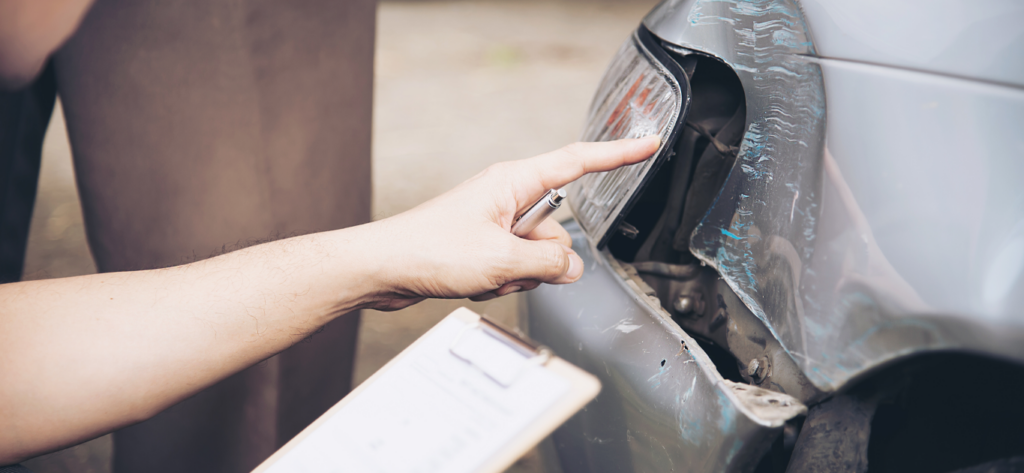
Your insurance company will assign a claims adjuster to review your car accident claim. This adjuster will inspect your vehicle, confirm the repair costs, and determine how much your policy covers. Keep copies of all paperwork and notes from phone calls—good documentation can make a big difference if questions arise later.
Taking these steps early helps you stay organized and ensures your claim moves forward without unnecessary delays.
What Does the Claims Adjuster Do?
After your insurance company receives your claim, it’ll assign a claims adjuster to assess the loss. The adjuster’s role is to inspect your car, review the accident report, and determine how much your insurance policy will cover. They’ll decide whether your vehicle can be repaired or if it’s a total loss based on its actual cash value.
If the car is repairable, the adjuster will prepare an estimate outlining the repair costs and may issue payment directly to you or the repair shop. If it’s declared a total loss, you’ll typically receive the vehicle’s actual cash value minus your deductible.
Before accepting any settlement, make sure the payment covers all necessary vehicle repairs and any related medical expenses. If you’re uncertain about the claim payment or your policy limits, it’s wise to talk with your insurance agent or another trusted professional before signing.
Understanding how the claims adjuster works helps you stay informed throughout the insurance claims process and avoid surprises later.
Choosing the Right Auto Body Shop
Under Massachusetts state law, you have the right to choose your own repair shop after a collision. While insurance companies may recommend preferred facilities, the decision is always yours—and it’s worth taking the time to find an experienced, trustworthy team.
A reputable auto repair shop will provide a detailed repair estimate, explain the process clearly, and coordinate directly with your insurance company to make sure the claim moves forward smoothly. The best shops also document every step and keep you updated as your vehicle repairs progress.
When comparing shops, ask whether they use OEM (original equipment manufacturer) parts rather than aftermarket alternatives. OEM parts are designed specifically for your make and model, which helps maintain your car’s safety, appearance, and value.
Authentic Auto Body works with all major insurance providers and handles the paperwork from start to finish so customers can focus on getting back to normal. Choosing a shop that prioritizes quality, communication, and your best interests ensures that both your vehicle and your car insurance claim are in excellent hands.
What to Expect During the Repair Process
Once your insurance claim is approved, the repair shop will order parts and begin restoring your vehicle. During the repair process, technicians may discover hidden vehicle damage that wasn’t visible during the initial inspection. The shop will then contact your insurance provider to request authorization for any further repairs.
You may receive multiple claim payments, such as one for car repairs and another for personal items damaged in the crash. If your auto insurance policy includes rental car coverage, it may also help pay for transportation while your car is in the shop.
To keep things moving smoothly:
- Confirm whether payments go to you or directly to the repair facility
- Ask your insurance agent about your deductible and coverage details
- Stay in touch with your claims adjuster to avoid unnecessary delays
The repair process can vary depending on the extent of the damage and the parts required. Consistent communication between your insurer and your body shop helps ensure the work is completed safely and efficiently.
Understanding Your Coverage
Every auto insurance policy is different, and knowing what yours includes helps you understand how your claim will be handled. The type of coverage you carry determines what your insurance company will pay for after an accident.
Here’s a quick breakdown of common car insurance coverages:
- Liability coverage: Pays for damage you cause to another person or their property.
- Collision coverage: Pays for vehicle repairs after a collision, regardless of fault.
- Comprehensive coverage: Covers non-collision incidents such as theft, vandalism, or weather damage.
- Uninsured/underinsured motorist coverage: Helps pay for repairs, medical expenses, and lost wages if the other driver doesn’t have sufficient insurance.
- Medical payments coverage: Can help cover your medical costs, no matter who was at fault.
If you’re unsure what your policy includes or how your policy limits apply, reach out to your insurance agent or provider for clarification. Understanding these details before filing a car accident claim helps prevent confusion and ensures you receive the coverage you’re entitled to.
What If the Other Driver Is Uninsured?
If you’re involved in a car accident with someone who doesn’t have insurance—or doesn’t have enough to cover the damage—your uninsured/underinsured motorist coverage can protect you. This part of your auto insurance policy helps pay for vehicle repairs, medical expenses, and lost wages when the other driver’s coverage falls short.
Check your policy documents or contact your insurance agent to confirm that this coverage is included and understand how it applies in your situation. Knowing your options ahead of time can save you stress and out-of-pocket costs if an uninsured driver ever hits you.
Tips to Speed Up the Insurance Process
A well-organized claim helps you get back on the road faster. These steps can make your insurance claims process more efficient and reduce delays with your insurance company:
- File your insurance claim as soon as possible after the accident.
- Submit all requested documents, including the police report, photos, and repair estimates, promptly.
- Keep records of every call or email with your claims adjuster or insurance agent.
- Ask about time limits for submitting information or repairs.
- Confirm whether your insurer pays the repair shop directly or reimburses you.
- Review all settlement offers carefully to ensure they cover your vehicle repairs and any medical costs.
If you ever feel unsure or pressured during the claims process, you have the right to ask questions, request a second opinion, or speak with a manager. Staying proactive and informed helps ensure a fair and accurate outcome for your car insurance claim.
Let Authentic Auto Body Handle the Details
Dealing with an auto accident and the paperwork that follows can feel overwhelming. That’s why choosing a certified body shop that understands both quality repairs and the insurance claims process makes all the difference.
At Authentic Auto Body, we guide customers through every stage—from damage assessment to communication with the insurance provider—so nothing slips through the cracks. Our certified technicians use OEM-quality parts and proven repair methods to restore your vehicle’s safety, appearance, and value. We also coordinate with all major insurance companies and offer assistance with rental cars while your vehicle is being repaired.
If you’ve recently been in a car accident and need help navigating your car insurance claim, contact Authentic Auto Body in Holliston, MA. Our team is here to get your car and your peace of mind back to where they should be.
