 Based on 508 Google Reviews
How Much Does Car Insurance Go Up After an Accident?
After a crash, one of the first things drivers want to know is how much car insurance rates go up after an accident. The answer depends on several factors, like who’s at fault, how serious the accident was, and your overall driving history.
In many cases, an at-fault accident can lead to a significant rate increase that sticks around for years. Here’s what you should know before you file a claim.
Typical Insurance Rate Increases After an Accident
After an at-fault crash, car insurance premiums tend to increase, on average by about 45%, according to Insurify data. That means if your full-coverage premium was $107 a month before, it could jump to around $155.
The exact amount varies depending on your auto insurance provider, the severity of the crash, and your driving record. In Massachusetts, minor accidents may result in smaller hikes, but serious accidents can still cost you hundreds of extra dollars per year for several years.
What Factors Cause Your Rates To Increase?
Not every accident affects your insurance the same way. Here are the biggest factors that determine how much your premiums might go up:
- Who’s at fault: If you’re found at fault, your rates are more likely to increase. In no-fault cases, the impact is usually smaller, but not always zero.
- Severity of the accident: A fender bender won’t raise rates the same way an injury crash will. More damage often means a bigger premium hike.
- Claims history: Multiple claims in a short period signal higher risk to insurers and often trigger steeper increases.
- Driving record: Speeding tickets, prior accidents, or DUIs can magnify the impact of a new at-fault accident.
How Long Does the Accident Affect My Insurance?
Most car insurance companies keep an accident on your record for three to five years. During that time, you’ll likely pay higher premiums, especially if the car accident involved injuries or major damage.
Some insurers reduce the penalty over time if you keep a clean record afterward. Others may keep the higher rate for the full duration. Either way, safe driving going forward is your best path to lower premiums.
Can I Avoid a Rate Hike?
In some cases, yes. There are many car insurance companies that offer accident forgiveness programs that prevent your first at-fault accident from raising your rates—if you qualify. These typically require a clean driving record and may incur an additional cost.
If forgiveness isn’t an option, taking a defensive driving course could help lower your premium. It’s also worth asking your auto insurance agent about available discounts, like bundling policies, low mileage, good credit, or safe driving incentives.
Should You File a Car Insurance Claim?
It depends on the situation. If the damage is minor and no one’s hurt, paying out of pocket might make more sense, especially if you’re close to qualifying for accident forgiveness or have a clean record.
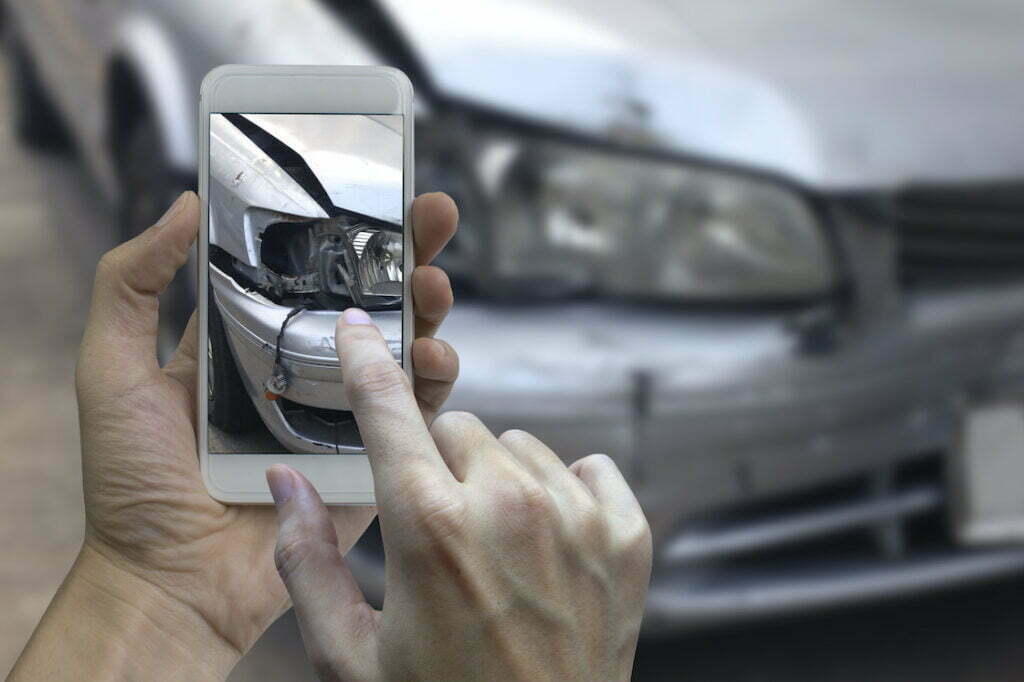
But if you decide to file a claim, be prepared. Gather all the information your insurer may need, including the police report, photos of the damage, medical bills (if applicable), and repair estimates.
Before you move forward, weigh the repair costs against the potential long-term increase in your premiums.
What If the Other Driver Was at Fault?
If the other driver caused the crash, their liability coverage should cover the cost of your repairs. But even if you weren’t at fault, some insurers may still raise your rates based on your overall risk profile.
It doesn’t happen often, but it’s not impossible. If your rates increase after a no-fault accident, discuss this with your provider and consider shopping around for a better rate.
How to Lower Your Rates After an Accident
A rate hike after an accident isn’t always permanent. There are a few ways to bring your premium back down over time:
- Compare providers: Every insurer calculates risk differently. If your current premium jumps, it may be worth getting quotes elsewhere.
- Increase your deductible: A higher deductible lowers your monthly rate—just make sure it’s an amount you could actually afford after a future accident.
- Drive safely: A clean record moving forward is the most reliable way to rebuild trust with insurers and lower your rates over time.
- Ask about discounts: From low-mileage to good driver programs to accident forgiveness coverage, there may be savings you’re missing out on. It never hurts to ask.
What to Do If You’ve Been in an Accident
So, how much does car insurance go up after an accident? A typical at-fault crash can raise your rates by hundreds per year, and the effects can last for several years. But the actual impact depends on your insurer, your driving history, and the details of the accident.
If you’ve recently been in a collision, now’s the time to take a close look at your insurance coverage, know your rights, and weigh your options. Being proactive can make a big difference in both your repair experience and your long-term costs.
Need Help Navigating Repairs or Insurance?
At Authentic Auto Body, we work with all major insurance companies—but we always put your safety first. We don’t cut corners, and we don’t answer to insurance adjusters—we work for you.
If your car was damaged in an accident and you want repairs done right the first time, call us at (508) 429-6927 or contact us online. We’re here to help you get back on the road with confidence.
